
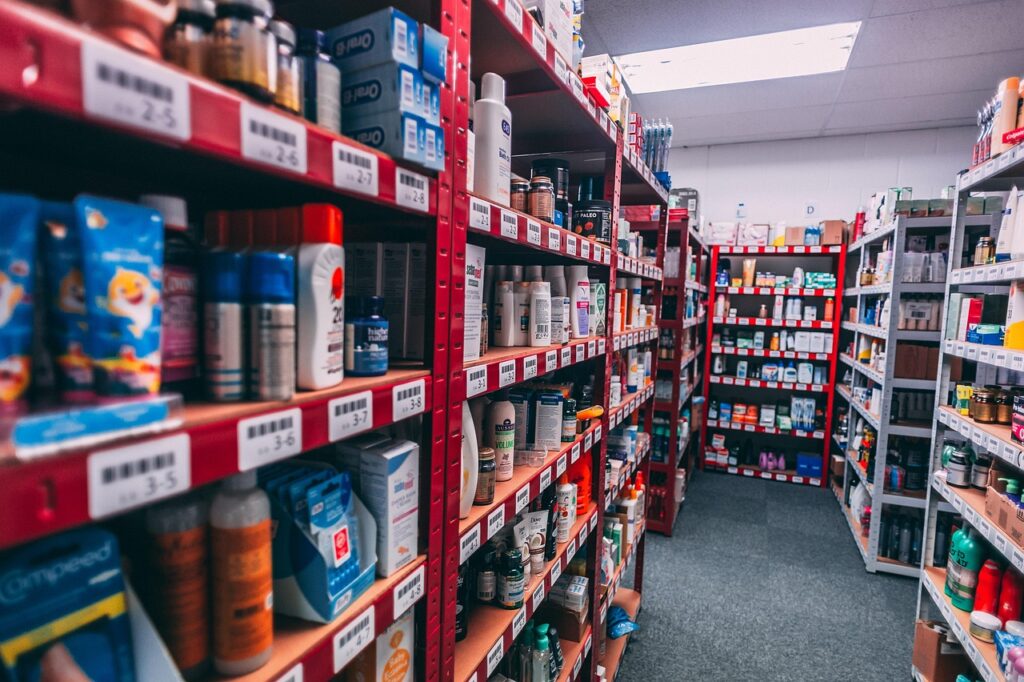
In recent years, supermarkets and big retailers in the UK have been under growing pressure from consumers, regulators and environmental groups, to continue phasing out plastic packaging. To reduce single-use plastics and adopt more sustainable packaging alternatives. The movement isn’t just about being “green” anymore; it’s becoming a business imperative. Manufacturers supplying retailers need to understand what’s changing, what retailers expect and how switching packaging materials (especially from plastic to paper or recyclable alternatives) can affect their competitiveness and compliance.
What’s Driving the Change
Several forces are pushing UK supermarkets to rethink packaging:
1. Government Legislation and Policy
- New bans and restrictions on certain single-use plastic items are already in force. For example, as of October 2023, England introduced new rules limiting supply of plastic trays, bowls, plates and other commonly polluting plastic items.
- The UK’s Plastic Packaging Tax, introduced in 2022, also creates a financial incentive: plastic packaging without at least 30% recycled content is taxed heavily.
2. Retailer & Supermarket Commitments
- Sainsbury’s has pledged to replace plastic packaging in many product lines. Its bakery department is swapping plastic clam shells for cardboard/card boxes and paper bags, aiming to remove over 560 tonnes of plastic annually.
- Marks & Spencer has replaced plastic trays with recyclable paper alternatives across more than fifty product lines, potentially saving hundreds of tonnes of plastic every year.
3. Consumer Expectations
- Surveys show that UK consumers increasingly prefer paper or cardboard packaging. For instance, a DS Smith survey found that 80% of online shoppers prefer products delivered in paper/cardboard rather than plastic.
- Other research finds over half (55%) of consumers demand recycled content in packaging and many are prepared to stop purchasing from brands that use unsustainable packaging.
What This Means for Manufacturers
If you supply supermarkets or retailers in the UK, these changes affect you directly. Here are the imperatives:
- Sustainability compliance is now table stakes. Products with excessive plastic or packaging that’s hard to recycle risk being dropped or having lower margin deals.
- Packaging material matters – paper, cardboard, or paper-based alternatives are increasingly demanded. Manufacturers must ensure their materials meet recyclability, biodegradability and regulatory standards.
- Lead times & flexibility are critical – when retailers commit to switching packaging, manufacturers abroad may struggle with longer lead times, supply chain disruption, or material shortages. Local producers typically respond more rapidly.
- Brand perception & consumer trust – packaging is part of brand identity. Being seen to use sustainable packaging can be a differentiator, especially with younger, eco-conscious consumers.
How Manufacturers Should Adapt
- Audit existing packaging: identify where plastic can be reduced or replaced with paper/cardboard alternatives.
- Work with UK-based packaging manufacturers who understand local recycling laws and standards.
- Invest in designing packaging that is recyclable, has clear disposal instructions, uses minimal plastic (e.g., windows, linings) and still protects the product.
- Collaborate with retailers early: if supermarkets are planning to change packaging, get ahead of the requirement to ensure supply, sample approval and design compatibility.
Why Now Is a Strategic Moment
With government regulation tightening, rising consumer demand and supply chain risks abroad still unresolved (transport delays, material shortages, geopolitical instability), the case for switching to more sustainable, paper-based or recyclable packaging is more urgent than ever. Manufacturers who move proactively will be better positioned, more resilient and likely to win favour with large UK retailers.
Partnering Locally for Sustainable Packaging
If you’re a UK manufacturer supplying supermarkets, NOW is the time to review your packaging strategy. Peter Marsh Group in Liverpool offers custom, sustainable, recyclable paper sack and packaging solutions designed to meet retailer expectations, reduce plastic waste, and maintain high quality and compliance.
Contact our Business Development Team or visit www.petermarsh.co.uk to see how we can help you make the switch — with minimal disruption, reliable supply, and real sustainability credentials.
